

Welcome to an Earth you never knew existed.

Earth@UCalgary Community: Creating the future together.
The Department of Earth, Energy, and Environment recognizes that humanity is facing some very big challenges, ones that cannot be addressed within academic silos. We know there are creative solutions to our planet’s problems and solving them will require new collaborations and diversity of thought. That means redefining what our “community” is and what it needs to be.


Featured news

video
Now Innovating: The past, present, and future of innovation at UCalgary
A conversation with Dr. Steve Larter, outgoing associate vice-president (research and innovation) and professor in the Faculty of Science
In the News Global News
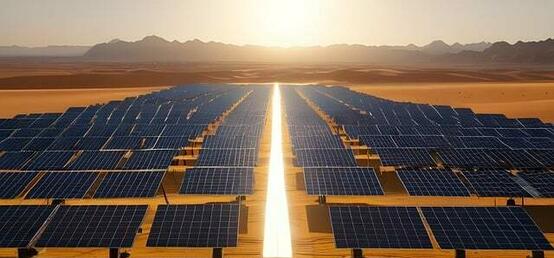
Increasing renewable energy development to create more conflicts between environmental values

In the News CBC Calgary Eyeopener
Sara Hastings-Simon talks with CBC Calgary Eyeopener on the history of carbon tax

In the News CBC Politics